

About 85% of Americans have a smartphone now. This device has started a big digital change. It affects almost every part of your day.
Recommended content:
You will remain on the same website.
Technology is changing how you live. It impacts your work, learning, shopping, social life, and health. You use different tools like Apple iPhones and Android devices. Also, cloud platforms like Google Cloud, Microsoft Azure, and Amazon Web Services change your habits.
Fast networks like 4G LTE and 5G bring changes to your home with devices like Amazon Echo and Google Nest. These changes are seen everywhere in the U.S. More people work from home, online shopping grows, and you spend time on social media. Also, telehealth services are becoming more popular.
Here’s why it matters to you: technology makes life easier and you more productive. But, it also changes how people act and think about privacy. As tech trends grow, you’ll need new skills for a tech-focused world.
This article will help you understand your digital lifestyle better. You will learn about smartphones, social media, and smart homes. Also, online learning, e-commerce, health tech, digital security, and new trends. This helps you make wise choices in today’s world.
Understanding Digital Lifestyle and Its Importance
Our lives have shifted to a digital format, changing how we work, learn, and relax. Now, our daily tasks combine technology like apps and gadgets. We rely on platforms like Slack for work and Netflix for fun, alongside using Mint for finances and Meta Quest for virtual adventures.
What is a Digital Lifestyle?
Living a digital lifestyle means technology is a big part of every decision we make. This includes gadgets like phones and smart home devices, and also apps and online services. For instance, we use devices that organize our schedules, cloud services that save our pictures, and virtual reality for new experiences.
The Impact on Daily Life
Our daily routines look different now. With tools like Microsoft Teams, many of us don’t commute like before. We get our meals and groceries online through services like DoorDash. And we spend our leisure time on streaming platforms or chatting in online communities.
But there are downsides, like more screen time leading to tiredness from too much digital use. However, apps like Headspace offer methods to relax and better our mental health. Also, gadgets monitor our physical activities and sleep, helping us stay healthy.
Changes are happening in jobs and culture too. New technologies at work and the rise of gig jobs change how we make a living. More people engage in civic issues online, raising their voices through social media.
With most American homes having fast internet and smartphones, online trends catch on quickly. Being aware of these trends lets you control how technology affects your life.
The Role of Smartphones in Your Digital Lifestyle
Smartphones are the heart of modern life, connecting us to family, work, and fun. With phones like the Apple iPhone or Samsung Galaxy, you can check messages, find your way, and handle your day. They shape how we follow trends and deal with tech in our homes.
Always Connected: Benefits of Smartphones
Phones make keeping in touch easy. Tools like iMessage and WhatsApp bring us closer to loved ones. Google Maps helps us navigate, and mobile payments like Apple Pay make buying things quicker. Siri and Google Assistant offer help without needing hands.
You quickly learn about what’s happening and what’s trending. Alerts from tech like your smartwatch keep you up to date. This makes our digital lives more connected.
Productivity on the Go
With smartphones, you can work anywhere. Apps like Gmail and Slack keep you organized. Microsoft Office Mobile and Google Docs let you work even while moving.
Fast processors and 5G let us do many tasks at once. Big screens and foldable phones show more info. And things like Bluetooth keyboards make writing easier. These help us stay active no matter where we are.
Security and Management
Keeping data safe is key when phones hold so much info. Face ID and fingerprints lock phones fast. MDM solutions and app permissions keep us safe online.
Lifestyle Examples and Balance
Phones help us schedule, shop, and catch rides like with Uber. We use them to share photos online. This is part of many digital lifestyles today.
But, watch out for signs of too much phone use like bad sleep. Do Not Disturb and screen time settings can help. A few rules can make sure we enjoy tech without it taking over.
| Use Case | Key Apps / Features | Benefit |
|---|---|---|
| Real-time communication | iMessage, WhatsApp, Gmail | Instant contact with family, friends, and colleagues |
| Navigation | Google Maps, Apple Maps, Live Traffic | Efficient routes and time savings |
| Mobile payments | Apple Pay, Google Pay | Faster, secure transactions |
| Productivity | Slack, Trello, Notion, Microsoft Office Mobile, Google Docs | Work from anywhere with full collaboration |
| Security | Face ID, fingerprint sensors, MDM, app permissions | Better protection for personal and business data |
| Smart living | Connected devices, wearables, smart home alerts | Seamless control and faster decisions |
Social Media’s Influence on Your Interactions
Social media shapes how you meet people and keep your friendships. It helps you find groups that match your interests. Your life online shows the platforms you use and the communities you’re part of.
This influence goes beyond just updates. It affects how you learn, work, and engage in society.
Building Relationships Online
Facebook, Instagram, Twitter/X, TikTok, and LinkedIn help you connect with family and friends worldwide. Reddit and Discord are places where people with similar hobbies, activists, and professionals can share advice and support. LinkedIn can introduce you to mentors, Strava can help you find a running club, and fan communities on Reddit can make you feel like you belong.
Online communities can grow your network, leading to job opportunities, collaborations, or meetups. Activist groups online organize events and fundraisers. Hobby groups share guides and feedback, helping you learn faster than you would on your own.
The Balance Between Virtual and Real Life
Social feeds often just show the best moments, which can skew your view of life and success. When algorithms keep showing you what you agree with, echo chambers form. This can limit your perspective and affect your real-life friendships.
It’s key to set boundaries. Make time to be offline and limit app usage. Think about why you’re using an app. Aim for more face-to-face interactions. Adding different voices and local events to your feed can help balance online and offline life.
Privacy Concerns in Social Media
Social platforms use your data for ads, like those in the Meta ad system. Sharing your location and having a public profile can be risky. To stay safe, manage your privacy settings on platforms like Facebook and Instagram, and be careful with what you share on TikTok and LinkedIn.
Always use two-factor authentication and check your app permissions. Cut off old apps you don’t use anymore. Be thoughtful about what you post, considering how it might be used in the future.
Moderation influences what you see online. Fast-spreading misinformation is a risk. Always check the facts with trusted news and fact-checking websites. Use tools like reverse image search to challenge false stories.
Taking steps to protect yourself online makes a difference. Unfollow stressful accounts. Turn on 2FA for safer logins. Keep your location and contact information private by managing app permissions. These actions help safeguard your online presence while you enjoy connecting with others.
Smart Home Technology and Your Living Space
You can customize your home with smart technology to match your lifestyle. Even minor upgrades can greatly improve comfort, convenience, and lower energy costs. Let’s explore common devices, how automation helps save resources, and important safety measures to implement.
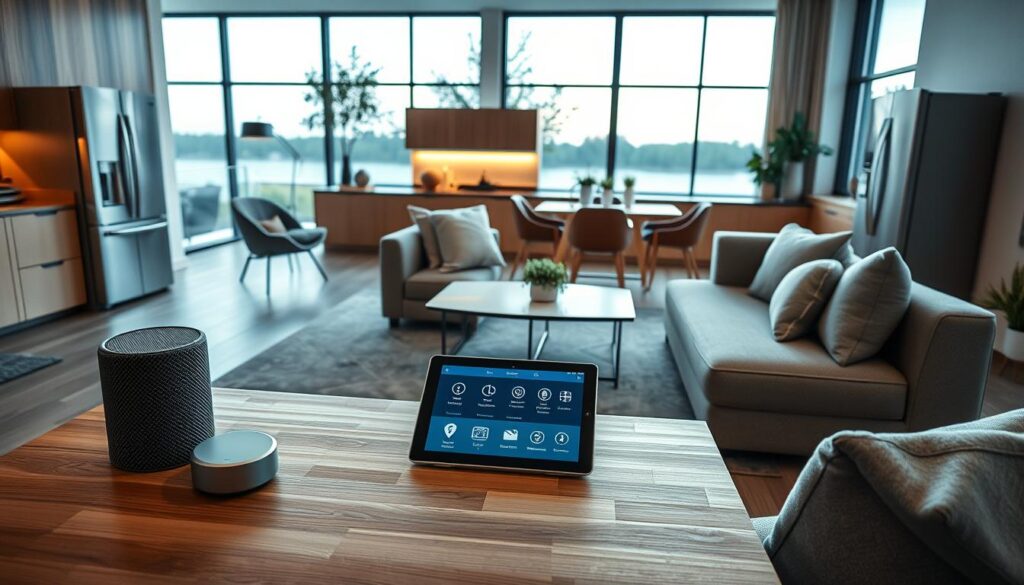
Enhancing Comfort with Smart Devices
Companies like Amazon, Google, and Apple offer devices that simplify your daily routines. An Amazon Echo lets you use your voice to control music and set timers. With a Ring doorbell, you can see who’s at your door from your phone. Thermostats from Google Nest and Ecobee adjust temperatures based on your routine, ensuring comfort.
Philips Hue smart lighting can change the mood of a room and eliminates the need for light switches. August smart locks offer keyless entry for guests. Devices that work with Apple’s HomeKit let you use Siri to orchestrate your smart home more easily.
Smart speakers serve as the command center for your home. Just by speaking, you can start a morning routine, dim lights, or catch up on the news. This technology makes your life more seamless and tailored to you.
Energy Efficiency through Home Automation
Home automation is a major boost to energy savings. Smart thermostats reduce heating and cooling costs by learning your schedule.
Smart plugs and energy meters help you track how much electricity your devices use. Smart lights also reduce waste by turning off in empty rooms.
Linking these systems together can lower your bills and help the environment. For instance, a “Goodnight” routine can turn off lights, adjust the thermostat, and secure your home all at once.
Security, Privacy, and Integration
It’s important to consider the privacy risks of smart cameras and devices. Always keep their software updated and change any default passwords. Secure your Wi-Fi network well and think about using a separate network for smart devices.
The Matter standard helps different brands’ devices work better together. This means Alexa, Google Assistant, and Siri can now control compatible devices more easily, making your smart home even smarter.
Lifestyle Examples and Practical Uses
- Preheat an oven via app before you get home, saving time and reducing heat loss.
- Automate lawn watering with smart controls to use weather and soil data, saving water.
- Use smart air quality monitors like Awair or Dyson to keep your home’s air clean.
| Use Case | Devices | Benefit |
|---|---|---|
| Climate control | Nest, Ecobee | Lower energy bills through learning schedules and remote control |
| Home entry | August smart lock, Ring doorbell | Keyless access and remote monitoring for security |
| Lighting and ambiance | Philips Hue, smart switches | Automated scenes and reduced wasted electricity |
| Air and health | Awair, Dyson purifiers | Real-time air quality monitoring and cleaner indoor air |
| Energy tracking | Smart plugs, energy meters | Identify high-usage devices and optimize consumption |
By integrating these technologies, your home becomes more adaptable, secure, and economical. By making smart choices about devices and security, your home can enhance your life while keeping risks low.
Online Learning: Transforming Education for You
Online learning changes the way you learn new skills. It fits into your life and helps with career changes. It’s part of our digital world, offering everything from small lessons to full school programs.
Flexibility and Convenience
You can learn anytime that works for you. Websites like Coursera and Khan Academy have courses you can take at your own pace. They even work on your phone.
Courses are short and can fit into your busy day. Getting a certificate from places like the University of Michigan is also possible.
Diverse Learning Resources Available
You’ll find courses in many styles. There are big online classes and real-time webinars for lectures. Bootcamps can teach you skills employers want.
Learning becomes fun with interactive tools. Virtual and augmented reality make learning feel like you’re there. This keeps education exciting and hands-on.
Workforce Implications and Accessibility
Learning online keeps your skills up to date. This is important for keeping up with digital changes. Certificates from big tech companies are very valuable.
More people can learn thanks to online classes. But, you need good internet and a computer. Not everyone has this, which can be unfair.
Practical Tips for Success
- Create a dedicated study space to boost focus.
- Use time management techniques like block scheduling.
- Verify credentials and read course reviews before enrolling.
- Mix formats—video lessons, live sessions, and interactive labs—to suit your learning style.
Making smart choices in learning helps blend education with technology. Using these tools, you keep learning personal and relevant as the digital world grows.
The Rise of E-commerce in Your Shopping Habits
Your shopping habits have changed with the digital age. Now, you use your phone to look around. You compare prices quickly and trust the reviews you find before making a purchase. The ease of shopping online shapes our lives and choices today.
Advantages of Online Shopping
Online shopping saves you time. You find a broader selection than in many physical stores. Through Amazon and Walmart, quick price comparisons are at your fingertips. Subscription services like Amazon Subscribe & Save make regular purchases easier and cheaper.
Shopping from your phone has never been easier. You can use apps and secure payment methods like Apple Pay or PayPal. Real reviews help you decide what to buy. And with services like Amazon Prime, you get your items on the same day in many places.
Tools for comparing prices help you shop smarter. They let you look at return policies and how reliable a seller is before you buy. This support makes shopping online less risky and more satisfying in today’s fast-paced e-commerce world.
Supporting Local Businesses through Digital Platforms
Small shops get to you through digital means, thanks to Shopify and Square. Etsy gives a space for crafters and artists to reach worldwide customers from their homes.
Instagram and Facebook make it easy for small businesses to sell to their followers. Nextdoor introduces you to local services. Campaigns encourage buying from local shops. This shows local and online shopping can work together well.
Market Trends, Sustainability, and Practical Tips
E-commerce is now a big part of U.S. retail sales. Physical stores are blending in-store and online shopping experiences. Amazon and eBay compete with brands that sell directly online.
But, we’re aware of the environmental costs like packaging. Some stores offer options like carbon-neutral shipping to lessen their environmental impact. By choosing these options, you help the planet while enjoying online shopping.
Shopping online needs a bit of caution. Always read reviews and check the seller’s return policy. Pay safely using PayPal or Apple Pay. Good seller ratings and clear photos can ensure you’re happy with your purchase.
Health and Fitness: Tracking Your Progress
Nowadays, tracking your health and fitness is mostly digital, thanks to apps and devices. You can easily measure your steps, heart rate, sleep patterns, workouts, and stress levels. This switch to digital helps you clearly see your day-to-day changes and spot genuine improvements over time.
Apps and Devices for a Healthier Lifestyle
There are many gadgets like the Apple Watch, Fitbit, and Garmin for tracking on your wrist. For apps, popular choices are MyFitnessPal, Strava, Peloton, Calm, and Headspace. These tools help with counting steps, monitoring your heart, tracking sleep, doing guided workouts, and meditating to meet your health goals.
These devices connect with platforms like Apple Health and Google Fit to keep all your data in one spot. Adding in social features, challenges, and badges makes keeping up with activities fun, especially when you’re competing or sharing your progress with friends.
The Importance of Data in Health Management
Collected data is key for tracking trends and sharing your progress with health providers through telehealth services like Amwell and Teladoc. It lets you export or share your health metrics easily for remote care. Even though wearables are getting better at integrating with medical records, they can’t replace professional medical diagnostics.
Keeping your health data private is critical. Make sure to check how apps use and share your information. Most platforms work hard to keep your data safe, but always check their policies, especially about HIPAA, before sharing with your doctor.
Changing your habits can also be fun and social. Methods that mix setting goals, getting regular updates, and slowly changing your habits tend to last longer and work better.
| Tool | Key Features | Best Use |
|---|---|---|
| Apple Watch | Heart rate, ECG, activity rings, fall detection, Apple Health sync | Daily activity tracking and health summaries for iPhone users |
| Fitbit | Step tracking, sleep scores, guided workouts, wellness reports | General fitness tracking and sleep improvement |
| Garmin | Advanced GPS, VO2 max estimates, multisport profiles | Endurance athletes and outdoor enthusiasts |
| MyFitnessPal | Food logging, calorie estimates, nutrient breakdowns | Diet tracking and weight management |
| Strava | Route mapping, performance segments, social feed | Running and cycling communities |
| Peloton | Live and on-demand classes, performance metrics | Guided home workouts with instructor-led motivation |
| Calm / Headspace | Guided meditations, sleep stories, stress tools | Mindfulness, sleep support, stress reduction |
| Apple Health / Google Fit | Centralized data hubs, cross-app syncing, trends view | Aggregate data from apps and connected devices |
| Amwell / Teladoc | Telehealth visits, secure sharing of consumer metrics | Remote consultations using shared health data |
Digital Security: Protecting Your Online Presence
As you dive more into the digital world, protecting yourself becomes crucial. Good habits in digital security keep your accounts, gadgets, and personal info safer. By taking small security steps, you can enjoy tech without much risk.
Best Practices for Online Safety
Create strong, different passwords for each account or use a trusted password manager like 1Password or LastPass. Also, enable two-factor authentication for important services such as Google, Apple, and Microsoft.
Always update your phones, tablets, and computers to get the latest security fixes. Use cloud services like Google Drive, iCloud, or OneDrive for backups. Employ trusted antivirus and anti-malware software to detect threats early.
Understanding Cybersecurity Threats
Phishing emails and texts aim to trick you into sharing your login details. When you use the same password for many accounts, credential stuffing attacks can easily access them.
Ransomware can lock you out of your own files, affecting both individuals and big businesses. This shows the importance of regular backups and having offline copies. Identity theft and scams exploit your personal info to commit fraud.
Protecting Connected Devices
Make your home Wi‑Fi secure by using WPA3 encryption if possible. Change your router’s default password and separate your smart devices from your main network. Update your Internet of Things (IoT) devices’ software regularly.
Business and Personal Considerations
On public Wi‑Fi, use a VPN for safer browsing and logins. Check and limit app permissions on your mobile devices. To catch fraud early, think about using credit monitoring or identity protection services.
Resources and Reporting
If you’re dealing with a scam or data breach, seek help from U.S. organizations. The Cybersecurity & Infrastructure Security Agency offers useful tips. The Federal Trade Commission guides you on identity theft and how to report scams.
Adopting these security measures helps build a safer online environment. They give you more control over risks, enhancing your digital life’s safety.
Embracing Future Trends in Your Digital Lifestyle
Your digital lifestyle keeps evolving with new tools and platforms. It’s crucial to stay on top of trends for the best picks and safety. Reliable sources like The Verge, Wired, and TechCrunch, plus updates from Google, Apple, and Microsoft keep you informed. Insight from Pew Research Center and McKinsey offers a wider view on the digital shift and trends.
The Importance of Staying Updated
Keeping up with trends gives you perks like being more productive, staying safe online, and quickly trying out new tech. Always look to credible tech news and official websites to find true value over noise. Expand your knowledge with online courses and webinars to stay flexible as digital changes affect both work and fun.
Anticipating Changes in Technology
Soon, more 5G and edge computing will make apps and streaming better. Devices like Meta Quest and Apple Vision Pro will go beyond games to meetings and designing. AI from OpenAI and Google will make services more personal and change the way we search and plan.
New rules on privacy and competition could impact data handling and ads on platforms. Stay updated on such policies to enhance security and consumer rights. Enhance your privacy, use strong logins, and check app permissions as part of your digital habits.
Create your digital lifestyle wisely: invest in knowing more about digital tools, keep your skills updated, and try out new tech carefully. Mix your excitement with careful thinking. Check the pros and cons and keep your data safe. Let new tech trends improve your life while you keep a healthy balance of work and leisure.