

About 78% of Americans live paycheck to paycheck, even those earning six figures. This shocking reality shows how many struggle without a solid money management system.
Taking control of your finances starts with a reliable money management system. You don’t need to be a financial expert to get started. A simple budgeting system can change how you handle money.
Recommended content:
You will remain on the same website.
Your personal finance journey begins with understanding your spending patterns. Many people find that financial planning tools make this step much easier. You can choose old-school methods or modern technology for cash flow management.
An expense tracking system helps you see where money goes each month. This awareness is your first step toward better financial health. What matters most is that you stick with it.
Setting up financial organization methods early gives you a strong foundation. Money tracking software can automate much of this work for you. A good budget planning system puts you on the path to financial freedom.
Your next step is discovering which system fits your lifestyle best. Keep reading to explore different approaches that can work for you.
Understanding Money Management Systems
Getting your finances in order starts with understanding what a money management system really is. Think of it as your personal guide to controlling where your money goes and how it grows. A solid money management system helps you see the big picture of your financial life.
You’ll know exactly how much comes in, where it goes out, and what’s left to save. Building strong personal finance management skills takes time, but the payoff is worth it.
Understanding your finances helps you make better decisions about spending and saving. This knowledge gives you power over your money instead of letting your money control you.
What Is a Money Management System?
A money management system is a comprehensive framework that tracks your income, expenses, and savings in one place. It’s like having a detailed map of your financial journey. Your budgeting system works by organizing all your financial information so you can see patterns and make smart choices.
Using financial planning tools within your system makes tracking easier. You’ll notice spending habits you never saw before. An effective expense tracking system shows you exactly where every dollar goes.
This awareness is the first step toward real change in your financial life.
Why You Need a Money Management System
Without a system in place, your money slips away without you noticing. You might spend money on things you don’t really need or miss opportunities to save. A budget planning system prevents these problems by keeping everything organized.
- Track spending patterns automatically
- Identify areas where you waste money
- Set and reach financial goals
- Reduce stress about your finances
- Build wealth over time
Good cash flow management means knowing when money comes in and when bills are due. This prevents overdrafts and late fees. Your money tracking software handles these details so you don’t have to worry.
Key Components of a Money Management System
A successful system needs several essential parts working together. Think of it like a puzzle where each piece matters for the complete picture.
| Component | Purpose | Example |
|---|---|---|
| Income Tracking | Record all money coming in | Salary, freelance work, bonuses |
| Expense Tracking | Document all spending | Groceries, utilities, entertainment |
| Budget Categories | Organize expenses by type | Housing, food, transportation |
| Savings Goals | Set targets for future money | Emergency fund, vacation, car |
| Financial Reports | Review your progress regularly | Monthly summaries and insights |
Your wealth management strategy depends on these components working together smoothly. Financial organization methods vary from person to person, but these basics remain the same.
Whether you use a simple notebook or advanced money tracking software, make sure your system includes all these pieces. The right approach combines the tools you use with your personal habits.
Your budgeting system only works if you actually use it. Consistency beats perfection every time when building financial health.
Types of Money Management Systems to Consider
Finding the right approach to handle your finances starts with understanding what options exist. Your personal finance management journey can take many paths. Some people thrive with old-school methods, while others prefer cutting-edge technology.
The key is discovering what works best for your lifestyle and financial goals. Let’s explore three popular approaches that can help you build a strong money management system.
Traditional Budgeting Methods
The pen-and-paper approach remains powerful for many people. This classic budgeting system requires you to write down your income and expenses by hand. You gain a real understanding of where your money goes.
Traditional methods offer several advantages:
- No technology required or fees to pay
- Hands-on approach keeps you engaged with spending
- Simple to start without learning new apps
- Visual tracking that feels personal and direct
This financial organization method works well if you prefer tangible records you can hold and review.
Digital Money Management Tools
Modern financial planning tools bring convenience to your budget planning system. Money tracking software like Mint, YNAB, and QuickBooks Self-Employed automate much of the work. These programs categorize expenses and track cash flow management in real time.
Digital solutions provide these benefits:
- Automatic expense tracking system updates
- Real-time alerts about spending patterns
- Cloud storage for secure document keeping
- Mobile access from anywhere, anytime
Envelope System for Cash Flow Management
The envelope method blends traditional and modern approaches to expense tracking system design. You allocate cash into physical envelopes for different spending categories. The envelope empties, you stop spending in that area until the next period.
| Method | Best For | Primary Focus |
|---|---|---|
| Traditional Pen and Paper | Detail-oriented people | Manual tracking and awareness |
| Digital Apps and Software | Busy professionals | Automation and convenience |
| Envelope System | Cash spenders | Visual spending limits |
This approach works especially well for developing a wealth management strategy focused on controlling daily spending. Many people find the physical act of using envelopes makes spending feel more real.
Your choice depends on your personality and preferences. Test different financial organization methods to find what sticks. Some people combine approaches—using digital tools for large bills and envelopes for daily purchases.
The best system is one you’ll actually use consistently to manage your money effectively.
Setting Up Your Money Management System
Starting your money management system is one of the smartest decisions you can make. Getting organized takes time, but it creates a strong foundation for your finances. The key is taking things one step at a time.
You don’t need a complex plan right away. Instead, focus on understanding where you stand financially and what you want to achieve.
Building a solid system means working through three important areas. Each one helps you move toward better money control and financial stability.
Assessing Your Financial Situation
Before you pick a budgeting system, you need to see the full picture. Start by listing everything you own and everything you owe. This gives you your net worth.
Write down your income sources and all monthly expenses. An accurate expense tracking system will reveal where your money actually goes. Look at your bank statements from the past three months.
Find patterns in your spending. This honest look at your cash flow management helps you build a realistic plan.
- Calculate your total monthly income
- List all fixed expenses like rent or mortgage
- Track variable expenses like groceries and gas
- Identify any debt you’re carrying
- Review savings accounts and investments
Defining Your Financial Goals
Goals give your budget meaning and direction. Without them, a budget planning system feels like punishment instead of a tool. Think about what you want for your future.
Do you want to save for a house? Build an emergency fund? Pay off debt?
Write your goals down and make them specific. Instead of “save money,” write “save $5,000 for an emergency fund in 12 months.” Your financial planning tools should help you track these targets.
| Goal Type | Timeline | Target Amount |
|---|---|---|
| Emergency Fund | 12 months | $3,000-$5,000 |
| Debt Payoff | 24-36 months | Total debt amount |
| Vacation Savings | 6-12 months | $2,000-$4,000 |
| Home Down Payment | 3-5 years | $20,000-$50,000 |
Choosing the Right System for You
Different financial organization methods work for different people. Some folks love spreadsheets. Others prefer apps.
Your wealth management strategy should feel natural and easy to maintain. The best system is one you’ll actually use.
Think about how much time you can spend on finances each week. Do you like seeing everything on paper or on a screen? Do you want money tracking software that updates automatically?
- Try one system for one month
- Track how much time it takes daily
- Notice if you actually stick with it
- Switch if it’s not working for you
- Give yourself permission to adjust
Your money management system should fit your life, not the other way around. Take your time finding the right fit for your personal finance management needs.
Creating a Budget You Can Stick To
Building a solid budget forms the backbone of any money management system. Your commitment to tracking expenses determines your success. The best budgets work with your lifestyle, not against it.
A budget planning system tailored to your income gives you control over your finances. Let’s explore how to build a budget that works for you.
Types of Budgets to Explore
Different budgeting approaches work for different people. Your personal finance management style should match one of these popular methods:
- 50/30/20 Rule — Spend 50% on needs, 30% on wants, and 20% on savings
- Zero-Based Budget — Every dollar gets assigned a purpose before you spend it
- Pay-Yourself-First — Set aside savings before paying other bills
- Percentage-Based Budget — Allocate percentages of your income to different categories
Financial planning tools and money tracking software make implementing these methods much easier. A solid budgeting system automates calculations and keeps you organized without extra effort.
Tracking Your Spending Patterns
Understanding where your money goes matters most for cash flow management. An expense tracking system reveals your true spending patterns. Review your bank and credit card statements for the last three months.
| Spending Category | Average Monthly Cost | Percentage of Income |
|---|---|---|
| Housing | $1,200 | 40% |
| Food and Groceries | $400 | 13% |
| Transportation | $300 | 10% |
| Utilities | $150 | 5% |
| Entertainment | $200 | 7% |
| Savings and Debt | $600 | 20% |
| Miscellaneous | $150 | 5% |
List every expense category. Track amounts spent in each area. This financial organization methods approach shows exactly what drains your income.
Adjusting Your Budget as Needed
Your budget isn’t permanent. Life changes, income fluctuates, and priorities shift. Review your wealth management strategy monthly during the first three months.
Look for categories where you overspent or underspent. Ask yourself honest questions: Did unexpected costs pop up? Can you reduce spending in certain areas?
Are your income levels stable? A budget planning system works best when you remain flexible. Your money management system should adapt to your real life.
Make small adjustments rather than major overhauls. Cut $50 from one category instead of eliminating an entire expense. Build in a buffer for emergencies.
Your budgeting system becomes sustainable when you create one you can actually follow long-term.
Utilizing Apps for Money Management
Technology has transformed how you handle your finances. A money management system powered by mobile apps makes personal finance management easier than ever. These tools connect directly to your bank accounts and give you instant access to your financial information.
Apps for managing money serve as your financial planning tools that work around the clock. They track your spending, organize your bills, and show you where your cash flow management needs attention. The right money tracking software turns your budget planning system into something you can actually use.
Popular Money Management Apps
Several well-known apps have become favorites for personal finance. Apps like Mint, YNAB (You Need A Budget), EveryDollar, and Rocket Money help millions take control of their money. Each one offers different features designed to fit your needs.
| App Name | Best For | Key Features |
|---|---|---|
| Mint | Budget tracking and expense monitoring | Automatic transaction categorization, bill reminders, spending insights |
| YNAB | Detailed budgeting and goal setting | Real-time syncing, goal tracking, educational resources |
| EveryDollar | Zero-based budgeting approach | Monthly budget templates, expense tracking, debt payoff tools |
| Rocket Money | Subscription management and savings | Subscription alerts, bill negotiation, cash back rewards |
| Personal Capital | Wealth management strategy and investment tracking | Portfolio analysis, retirement planning, investment advice |
Benefits of Using Financial Apps
An expense tracking system built into an app saves you time and stress. You no longer need to manually write down every purchase or search through receipts. Your app does this work automatically.
- Real-time updates show your spending instantly
- Automatic categorization organizes your expenses
- Visual charts help you spot spending patterns
- Bill reminders prevent missed payments
- Goal tracking keeps you motivated
- Secure encryption protects your financial information
- Mobile alerts notify you of large transactions
A budgeting system through an app makes financial organization methods simple. You get insights into your cash flow management without the headache. Your wealth management strategy becomes clearer when you see your money patterns displayed visually.
How to Select the Best App for You
Choosing the right app depends on your specific needs. Think about what matters most to you in your personal finance management journey.
- Identify your main financial goal (saving, budgeting, debt payoff, or investing)
- Check if the app connects with your bank automatically
- Review the app’s security features and privacy policy
- Look for a user interface that feels natural to you
- Compare pricing plans and free trial options
- Read recent reviews from actual users
- Test the app for at least two weeks before committing
- Ensure the app offers customer support when you need help
Your financial planning tools should make money management easier, not more complicated. The best app for you is one you’ll actually use every day. Start with a free version to see if it matches your style before paying for premium features.
Building an Emergency Fund
An emergency fund is one of the most important parts of any money management system. This fund protects you when unexpected expenses pop up. Life throws curveballs at everyone.
Your car might break down. A medical emergency might happen. Your job could change suddenly.
Without savings set aside, these situations can damage your entire financial plan. Building an emergency fund gives you peace of mind. It keeps your budget planning system on track.
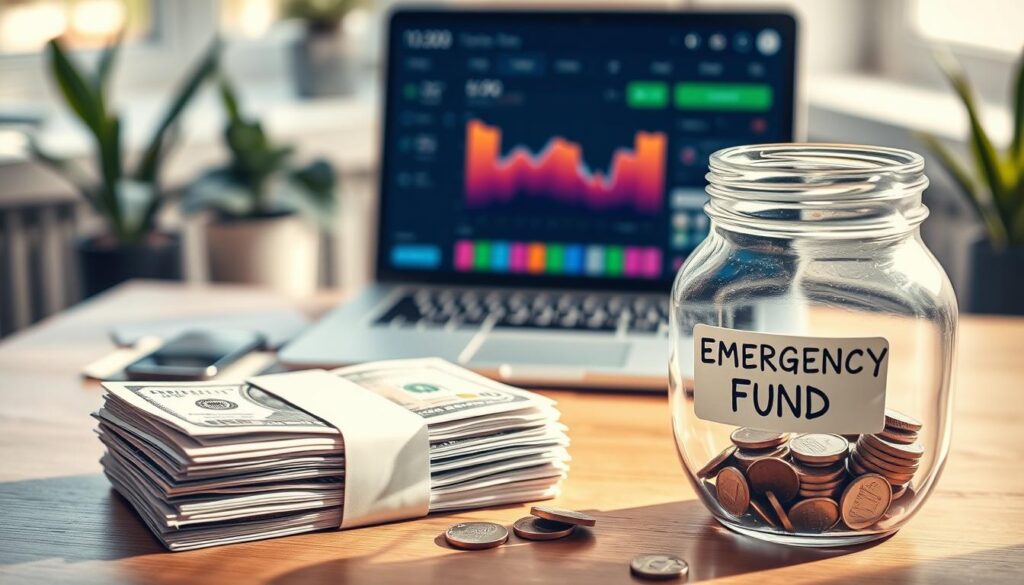
Importance of an Emergency Fund
Personal finance management experts agree that an emergency fund is essential. Think of it as a safety net for your money. Having cash saved helps you avoid taking on debt when problems arise.
Your expense tracking system will show that emergency savings prevent high-interest credit card use. A solid wealth management strategy always includes emergency savings as a foundation.
How Much to Save for Emergencies
Most financial planning tools suggest saving three to six months of living expenses. This amount covers most emergencies without forcing you to borrow money. Start by calculating your monthly costs using your budgeting system.
Include rent, food, utilities, and insurance. Your cash flow management efforts help you understand what you actually spend each month.
| Emergency Fund Level | Coverage Time | Best For |
|---|---|---|
| 1-2 months of expenses | Short-term cushion | Starting your savings journey |
| 3-4 months of expenses | Standard protection | Most families and individuals |
| 5-6 months of expenses | Extended security | Self-employed or variable income |
Steps to Start Your Emergency Fund
Begin your emergency fund using these practical steps:
- Open a separate savings account for your emergency fund only
- Use money tracking software to automate small deposits each month
- Set up automatic transfers from your checking account
- Track progress with your expense tracking system
- Adjust amounts as your income grows
Your financial organization methods should include a dedicated place for this money. Keep it separate from everyday spending. Many people find that using automatic transfers works best.
Even small amounts add up quickly. Your budget planning system can identify areas where you can cut costs. Money tracking software makes monitoring your growth easy and keeps you motivated.
Reducing Unnecessary Expenses
Strengthening your money management system starts with cutting unnecessary spending. Looking closely at monthly expenses often reveals surprising patterns. Many people spend money on things they don’t really need.
An expense tracking system shows exactly where your dollars go. This awareness builds the foundation for smarter personal finance management. Your goal is freeing up cash for more important financial goals.
Identifying Non-Essential Spending
Cutting expenses begins with spotting what you don’t truly need. Review your recent bank and credit card statements. Search for recurring charges you might have forgotten about.
Subscription services like streaming platforms and fitness apps add up quickly. Many people pay for services they rarely use. Create a spending list covering the last three months.
Separate items into two groups: essential and non-essential. Essential expenses include rent, food, and utilities. Non-essential items are dining out, entertainment, and impulse purchases.
This financial organization method reveals the real picture of your cash flow management.
| Spending Category | Monthly Cost | Annual Cost | Essential or Non-Essential |
|---|---|---|---|
| Streaming Services | $25 | $300 | Non-Essential |
| Gym Membership | $50 | $600 | Non-Essential |
| Coffee Shop Visits | $120 | $1,440 | Non-Essential |
| Dining Out | $200 | $2,400 | Non-Essential |
| Subscription Boxes | $40 | $480 | Non-Essential |
| Household Utilities | $150 | $1,800 | Essential |
| Groceries | $400 | $4,800 | Essential |
| Rent | $1,200 | $14,400 | Essential |
Strategies for Cutting Costs
After identifying unnecessary expenses, take action. Start by canceling subscriptions you don’t use. Call your insurance company and ask about discounts.
Shop around for better rates on car and home insurance. These moves can save hundreds of dollars yearly. Use financial planning tools and money tracking software to monitor progress.
Your budgeting system should track every dollar saved. Here are practical strategies to reduce spending:
- Cancel unused subscriptions and memberships immediately
- Cook meals at home instead of eating out
- Use cashback rewards programs on purchases you make anyway
- Shop with a list and avoid impulse buys
- Compare prices before making purchases
- Use public transportation or carpool when possible
- Buy generic brands instead of name brands
- Reduce energy costs by adjusting your thermostat
Setting Limits on Luxuries
Luxuries aren’t bad in small amounts. The key is setting clear boundaries. Decide how much you can spend on entertainment each month.
Your wealth management strategy should include a small allowance for enjoyable activities. Use your budget planning system to set spending limits for discretionary items. You might allow yourself $50 monthly for entertainment or $100 for dining out.
Write these limits down and stick to them. This approach keeps your cash flow management healthy while letting you enjoy life.
“The best budget is one you’ll actually follow. Small, sustainable cuts beat drastic measures every time.”
Reducing unnecessary expenses through careful personal finance management creates space for savings. Every dollar saved on non-essentials works toward your financial future. Your money management system becomes stronger with each smart spending choice.
Managing Debt Effectively
Debt can feel overwhelming, but you can take control with the right approach. Managing debt requires a disciplined money management system. Your personal finance strategy should include a clear plan for tackling what you owe.
Many people have successfully paid off debt using proven methods. Staying committed to your goals makes all the difference.
Your budgeting system and financial planning tools work together. They help you understand your debt situation better. An accurate expense tracking system shows exactly where your money goes each month.
This information helps you find extra funds. You can use these funds to pay down what you owe faster.
Understanding Different Types of Debt
Not all debt is the same. Understanding the differences helps you create a better wealth management strategy. Your cash flow management improves when you know which debts cost the most.
- Credit card debt—high interest rates that grow quickly
- Student loans—lower interest, longer repayment periods
- Auto loans—secured by your vehicle
- Mortgage debt—secured by your home
- Personal loans—unsecured borrowing at varying rates
Strategies for Paying Off Debt
Your budget planning system should include one of these proven financial organization methods:
| Debt Payoff Method | How It Works | Best For |
|---|---|---|
| Debt Snowball | Pay smallest balances first, build momentum | Quick wins and motivation |
| Debt Avalanche | Target highest interest rates first | Saving money on interest |
| Consolidation | Combine debts into one lower-rate loan | Simplifying multiple payments |
Use money tracking software to monitor your progress. Watching your balances decrease keeps you motivated and accountable.
“The greatest wealth is a healthy body and mind. The second greatest wealth is financial freedom from debt.”
The Role of Credit in Money Management
Your credit score affects how much debt costs you. Better credit means lower interest rates on future borrowing. Payment history is the most important factor in your credit score.
Making on-time payments matters greatly. Build good credit habits by paying bills on schedule. Keep credit card balances low and check your credit report for errors.
Your financial organization methods should include regular credit monitoring. This helps you catch problems early. Debt management is about building a solid foundation for your financial future.
Stay consistent with your money management system. You will see real progress toward becoming debt-free.
Saving for Retirement
Planning for retirement is crucial for your personal finance management strategy. Starting early gives your money time to grow through compound interest. This approach builds financial security for your future.
Your budget should include dedicated retirement contributions each month. Track your spending to find extra money for retirement savings. A strong wealth strategy starts with knowing how much you need.
Why Early Retirement Savings Matter
Starting early gives your money decades to grow. Small amounts saved today become large amounts later through compound growth. Your budget works best when retirement savings are a priority.
- Time compounds your money automatically
- Smaller contributions feel less burdensome
- Early savers need less total money invested
- You build better financial habits
Different Retirement Accounts Explained
Several methods exist for retirement saving. These accounts offer tax advantages that regular savings accounts do not provide.
| Account Type | Best For | Key Benefit |
|---|---|---|
| 401(k) | Employees with employer plans | Employer matching contributions |
| Traditional IRA | Self-employed individuals | Tax deductions on contributions |
| Roth IRA | Those expecting higher future taxes | Tax-free growth and withdrawals |
| SEP IRA | Small business owners | High contribution limits |
How Much Should You Save for Retirement?
Financial planning tools help you estimate your retirement needs. A common guideline suggests saving 25 times your annual expenses. Your budget should reflect this goal.
Use money tracking software to monitor your progress toward retirement. Aim to save between 10-15 percent of your income. Make retirement savings automatic through payroll deductions or scheduled transfers.
Starting your retirement planning today creates the foundation for tomorrow’s financial freedom. Build retirement savings into your routine and watch your nest egg grow.
Reviewing and Adjusting Your System
Your money management system needs regular check-ups to work well. Think of it like a car that needs maintenance to run smoothly. Life changes constantly, and your finances change with it.
Checking your personal finance management plan regularly keeps you on track. This section shows you why reviews matter. You’ll learn how to make smart adjustments when life shifts.
The Importance of Regular Financial Reviews
Taking time to review your budgeting system helps you spot problems early. Your financial planning tools show exactly where your money goes each month. An expense tracking system reveals spending patterns you might miss otherwise.
Looking at these reports gives you clarity about your cash flow management. You can see if your wealth management strategy still works for your situation.
Regular reviews also keep you motivated. Seeing progress toward your goals feels great and pushes you to stay committed. Your budget planning system works best when you actually use it and check results frequently.
How Often to Review Your Finances
You should review your finances at least once per month. Many people find success reviewing their money tracking software weekly. This helps catch spending issues right away.
- Monthly reviews of your entire budget planning system
- Weekly checks on your expense tracking system
- Quarterly deep dives into your wealth management strategy
- Annual complete financial health assessments
| Review Type | Frequency | Focus Area | Time Required |
|---|---|---|---|
| Quick Check-In | Weekly | Recent spending and income | 10-15 minutes |
| Monthly Review | Once per month | Budget performance and adjustments | 30-45 minutes |
| Quarterly Assessment | Every 3 months | Progress toward goals and strategy | 60 minutes |
| Annual Audit | Once per year | Overall financial health and planning | 2-3 hours |
Making Adjustments Based on Life Changes
Your life doesn’t stay the same, so your budgeting system shouldn’t either. Big life events demand updates to your financial organization methods. Consider adjusting your plan during major changes.
- Get a new job or a raise in income
- Experience a job loss or reduction in hours
- Get married or divorced
- Welcome a new child to your family
- Face unexpected medical expenses
- Buy a home or car
- Reach a major financial milestone
Your money tracking software and cash flow management approach make updates simple. Don’t wait for the perfect moment. Update your plan within a week or two after life changes.
This keeps your personal finance management aligned with reality. It also prevents stress from creeping in.
Educating Yourself on Personal Finance
Taking time to learn about personal finance is one of the smartest moves you can make. Understanding how money works gives you power to make better decisions. Education about financial topics builds your confidence and helps you avoid costly mistakes.
Your journey toward financial stability starts with finding reliable information. Connecting with people who share your goals makes the path easier.
Essential Resources for Financial Literacy
Reputable sources provide the foundation for your financial knowledge. Organizations like the Consumer Financial Protection Bureau offer free guides and tools. Public libraries often have books and online courses about managing money.
Websites from the Federal Reserve and the SEC provide trustworthy information. These resources cover investing and financial markets in detail.
- Consumer Financial Protection Bureau for consumer protection guides
- Khan Academy for free video lessons on money management
- Your local library’s financial literacy programs and books
- Government websites with information on taxes and savings
- Personal finance podcasts from trusted experts
Topics to Explore for Better Money Management
Your learning path should cover topics that directly affect your money. Understanding interest rates helps you recognize good and bad loans. Knowledge about investment basics prepares you for long-term wealth building.
Learning about taxes shows you how to keep more of what you earn. Credit scores and debt management teach you how to maintain financial health.
| Topic | Why It Matters | Where to Learn |
|---|---|---|
| Interest Rates | Helps you choose better loans and savings accounts | CFPB website, Khan Academy |
| Investment Basics | Builds wealth for retirement and long-term goals | SEC.gov, investing blogs |
| Tax Planning | Keeps more money in your pocket | IRS.gov, tax software guides |
| Credit Management | Affects your ability to borrow and your rates | Credit bureaus, financial websites |
| Budgeting Methods | Controls your spending and tracks your goals | Money management apps, blogs |
Joining Financial Literacy Communities
Learning with others makes your journey easier and more enjoyable. Online forums connect you with people facing similar money challenges. Local workshops and classes provide hands-on learning experiences.
Social media groups focused on financial goals offer daily tips and encouragement.
“Financial literacy is not about being smart with money. It’s about being empowered to make decisions that lead to your freedom.”
Joining a community gives you support and motivation to stick with your plan. Real people share their successes and mistakes with you. You learn what works in practice, not just in theory.
These connections keep you accountable on your financial journey. They remind you that building financial strength takes time and patience.
- Find online forums focused on your specific financial goals
- Attend free workshops at community centers or libraries
- Join social media groups dedicated to personal finance
- Connect with friends who share your money management interests
- Look for mentoring programs in your area
Your commitment to learning transforms how you view money. Every resource you explore adds tools to your financial toolkit. Every community member you meet shares valuable wisdom and experience.
Investing in your education now builds the knowledge you need for success. You gain the confidence needed to reach your financial goals. You create lasting security for yourself and your family.
Staying Motivated on Your Financial Journey
Your path to financial success requires more than just a solid plan. You need the drive to keep going when things get tough. Staying motivated helps you build habits that last for years.
Your commitment today shapes your financial future tomorrow. Building momentum takes time, but each step forward counts.
Setting Milestones for Success
Break your big financial goals into smaller, bite-sized targets. Instead of aiming to save $10,000, set a goal to save $500 each month. These smaller milestones give you clear checkpoints to reach.
You can track your progress week by week and month by month. Each milestone you hit boosts your confidence and pushes you onward.
Celebrating Small Wins
Don’t wait until you reach your final goal to feel proud. Your small victories deserve recognition. Paying off a credit card or hitting a savings milestone deserves acknowledgment.
You might treat yourself to something meaningful without breaking your budget. These celebrations keep your spirits high and remind you why your effort matters. Personal finance wins come in all sizes, and every one is worth noticing.
Finding Support in Financial Forums
Connect with others who share your money management goals. Online communities like Reddit’s personal finance boards offer real people with real experiences. Local money management groups provide similar support and connection.
Sharing your wins and challenges with others creates accountability. You learn new tips from people facing similar struggles. Knowing others walk the same path gives you strength to keep moving forward.