

Did you know the average American household wastes thousands of dollars yearly on forgotten purchases? The Bureau of Labor Statistics shows many people spend money without tracking where it goes. This reality proves why tracking expenses matters for your financial health.
Learning to track expenses is your first step toward real financial freedom. Understanding your spending habits helps you make smarter money choices. You will discover surprising patterns in your purchases.
Recommended content:
You will remain on the same website.
Personal finance management does not need to be difficult or time-consuming. With the right approach, you gain clear cash flow insight in minutes daily. Simple tracking methods create big changes in your bank account.
This guide teaches you how to track expenses effectively. You will discover practical tools and strategies that fit your lifestyle. Small daily habit adjustments improve your overall financial health and build future wealth.
New to budgeting or improving your current system? You will learn the best methods to monitor spending and optimize savings. Your journey toward financial stability starts now.
Understanding the Importance of Tracking Expenses
Taking control of your money starts with one simple step: understanding why expense tracking matters. Tracking expenses gives you clear visibility into your spending patterns. This awareness becomes the foundation for making smarter financial choices.
Your money flows in many directions each day. Without proper attention, it can disappear without delivering real value to your life. Learning to monitor spending helps you see exactly where your dollars go.
You might discover surprising truths about your habits. These insights open doors to building better financial futures. The journey toward financial freedom begins when you commit to understanding your expenses.
Why You Should Track Your Expenses
Recording daily expenses creates a transparent picture of your financial life. This record shows patterns you cannot see any other way. Monitoring spending regularly helps you avoid the shock of receiving credit card statements.
You take charge instead of letting circumstances control your money.
- Identify wasteful spending patterns quickly
- Make informed decisions about purchases
- Reduce financial stress and anxiety
- Build confidence in your money management
Benefits of Expense Tracking for Your Budget
Budget tracking transforms how you relate to money. Understanding your spending helps you direct income toward goals that truly matter. This approach prevents impulse purchases from stealing your financial future.
| Benefit | Impact on Your Finances |
|---|---|
| Clear spending visibility | Know exactly where money goes each month |
| Goal alignment | Allocate funds to what matters most |
| Savings growth | Increase monthly savings rate significantly |
| Debt reduction | Pay down balances faster and smarter |
| Financial peace | Reduce worry about money management |
How Tracking Helps Identify Spending Habits
Your spending habits reveal who you are financially. Recording daily expenses makes patterns emerge that guide your improvement efforts. You might notice that restaurant visits exceed grocery spending.
Coffee purchases might surprise you with their total. These revelations help you cut back on areas where spending doesn’t match your values. Understanding these habits means you can take action.
You gain power to redirect funds toward savings and investments. The discipline of tracking becomes your secret advantage for building wealth. Financial stability grows over time through consistent effort.
Choosing the Right Expense Tracking Method
Finding the right way to track expenses depends on your lifestyle and preferences. Some people love writing everything down by hand. Others prefer using their phones or computers.
The key is picking a method you will use every single day. Your choice between manual tracking and digital tools can make a real difference. This choice affects how well you manage your money.
Different methods suit different people. What matters most is that you stay consistent with whatever system you choose.
Manual Tracking vs. Digital Tools
Writing down your spending in a notebook takes time. You have to remember to carry a pen and paper everywhere. Digital options work faster and easier for most people.
An expense tracking app can send you alerts and reminders automatically.
Here are the main differences:
- Manual tracking gives you hands-on control and helps you remember your spending
- Digital tools save time and organize data automatically
- Apps sync across devices so you can update spending anywhere
- Spreadsheets offer flexibility but need regular updates
Exploring Expense Tracking Apps
Using an expense tracking app makes personal finance management much easier. Popular options like Mint, YNAB, and PocketGuard let you track spending right from your phone. Many apps connect to your bank account.
These financial tracking tools work well for different situations. You can use them to manage business expenses alongside personal spending. Good expense tracker software shows you exactly where your money goes each month.
Using Spreadsheets for Expense Management
Spreadsheets give you more control than apps. Google Sheets and Excel let you create custom categories for your expenses. You can make formulas that add up your spending automatically.
| Method | Best For | Time Required | Cost |
|---|---|---|---|
| Manual Notebook | Simple tracking, building awareness | 10-15 minutes daily | Free |
| Spreadsheet | Custom categories, detailed analysis | 5-10 minutes daily | Free to $5/month |
| Expense Tracking App | Automated tracking, mobile convenience | 2-5 minutes daily | Free to $15/month |
| Specialized Software | Business expenses, complex finances | 5-10 minutes daily | $10-50/month |
Spreadsheets work best when you like details and want complete control. You can track expenses by category and set spending limits. You can also create charts showing your progress.
The best approach combines what works for you. Many people track expenses using apps for daily spending and spreadsheets for monthly reviews. Your financial tracking tools should make managing your money simpler, not harder.
Pick the method that fits your life and stick with it for real results.
Setting Up an Expense Tracking System
Building a solid expense tracking system is the foundation of good financial health. Your system needs to be clear, organized, and easy to maintain. Recording daily expenses right away creates an accurate picture of where your money goes.
A well-designed system helps you stay in control of your finances. It also helps you reach your goals faster.
Categorizing Your Expenses Effectively
The first step is organizing your spending into meaningful categories. Think about your life and what you spend money on regularly. Your categories should match your lifestyle and spending patterns.
- Housing (rent or mortgage, utilities)
- Food (groceries, restaurants)
- Transportation (gas, car payments, public transit)
- Entertainment (movies, hobbies, subscriptions)
- Health (insurance, medications, doctor visits)
- Personal care (haircuts, clothing)
- Savings and investments
Clear categories help you monitor spending patterns. They show you where your money actually goes each month.
Creating a Budget to Guide Your Spending
Once you know your categories, use them to build a realistic budget. Write down how much you want to spend in each area. Your budget acts as a roadmap for your finances.
Review what you actually spent last month in each category. Then set target amounts for the coming month.
Budget tracking works best when your limits feel achievable. Set numbers that challenge you but don’t feel impossible. Your budget should reflect your values and priorities.
Establishing Tracking Frequency
Decide how often you’ll check your finances. Many people find success by setting a specific day each week. Sunday evenings work well for many folks.
Pick a time that fits your schedule and stick with it. Using financial tracking tools makes this process simpler.
Choose apps like Mint, YNAB, or a simple spreadsheet. Track expenses at least weekly to catch spending mistakes early. This keeps you connected to your financial goals.
“The secret to managing money is to track it regularly and honestly.”
Tips for Effective Expense Tracking
Good personal finance management needs more than just the right tools. You must build habits that stick. Even the best expense tracking app fails if you stop using it.
Success comes from making tracking part of your daily routine. Your commitment matters more than any software’s fancy features.
Consistency is Key
The most important factor in managing money is staying consistent. Record daily expenses right away to avoid forgetting purchases. Small transactions add up fast.
Missing just a few items each week can ruin your entire budget. Think of tracking like brushing your teeth. You do it every day without thinking twice.
Your expense tracker software works best with the same approach. Set aside five minutes each evening to log spending. This simple habit creates a strong foundation for better money management.
Reviewing Your Expenses Regularly
Looking at spending patterns helps you catch problems early. Successful savers review their transactions at least once a week. This regular check-in lets you spot unusual charges or mistakes quickly.
- Review spending every Sunday evening
- Check for duplicate charges
- Look for unauthorized purchases
- Compare spending to your budget goals
Setting Reminders for Tracking
Your phone can be your best friend in expense tracking. Use notifications to remind yourself to track expenses. Many people find that phone alerts help them log purchases before day’s end.
| Reminder Type | Best Time | Benefit |
|---|---|---|
| Daily notification | Evening | Catches all daily expenses |
| Weekly review alert | Sunday | Prevents spending surprises |
| Budget check reminder | Mid-month | Keeps you on target |
Building these habits takes time. Start with one reminder and add more as you grow comfortable. Your investment in consistent tracking pays off with clearer insights.
Disciplined expense tracking gives you control of your financial future.
Analyzing Your Spending Patterns
Once you gather enough information from your expense records, the real work begins. Looking at your data helps you understand where your money goes each month. This insight is powerful because it reveals patterns you might not notice daily.
Reviewing your spending history shows if budget tracking helps you reach financial goals. You might discover surprises about what you spend the most on. Start by examining your records over several months.
Look for amounts that stand out or categories that grow unexpectedly. This analysis turns numbers into useful information. It helps you track expenses more effectively.
Identifying Trends in Your Expenses
Search for patterns in your spending. You might notice that dining out costs increase during certain months. Maybe you spend more on entertainment in summer.
- Review monthly totals for each category
- Compare spending across different time periods
- Look for seasonal changes in your expenses
- Track which categories take the largest share of your budget
Recognizing Areas for Improvement
After identifying trends, pinpoint where you can cut back. If dining-out costs jumped 20% last quarter, that’s a red flag. You can then monitor spending in that area more carefully.
Small changes add up quickly when you focus on high-spending categories.
Adjusting Your Budget Based on Insights
Use what you learn to revise your budget. If certain expenses are higher than expected, reduce your spending goals in those areas. This creates a realistic plan that matches your actual habits.
Budget tracking becomes most useful when you act on the information you discover.
| Spending Category | Last Quarter Average | Current Quarter Average | Change Percentage | Action Needed |
|---|---|---|---|---|
| Dining Out | $250 | $300 | +20% | Reduce to $275 |
| Groceries | $400 | $410 | +2.5% | Monitor closely |
| Entertainment | $150 | $130 | -13% | Maintain success |
| Utilities | $180 | $185 | +2.8% | Review usage |
Your spending analysis gives you power over your money. Seeing clear patterns makes smarter choices easier. This data-driven approach transforms your budget into a flexible tool that grows with your needs.
Using Technology to Simplify Tracking
Technology has changed how you handle your finances. Today’s financial tracking tools make it simple to record daily expenses with just a few taps. By using the right expense tracking app, you can save time and get clearer insights.
Modern solutions help you stay on top of your spending without the stress. Technology offers answers that work for your situation.
Top Expense Tracking Apps to Consider
Several apps stand out for helping you track expenses effectively. Popular options include Mint, YNAB, and Expensify. Each expense tracking app offers unique features that match different needs:
- Mint provides automatic transaction sorting and budget alerts
- YNAB focuses on helping you give every dollar a job
- Expensify excels at handling receipt scanning and business trips
- PocketGuard shows your spending in real-time
How to Sync Your Bank Accounts
Connecting your bank accounts to expense tracker software takes minutes. Most apps use secure connections that let you link your checking and credit cards safely. Once synced, transactions appear automatically in your app.
The process usually involves these steps:
- Open your chosen app and find the bank connection feature
- Enter your bank login information through the app’s secure portal
- Approve the connection when your bank sends a confirmation
- Select which accounts to track
- Allow transactions to sync automatically
Automating Your Expense Entries
Automation saves you hours each month. It keeps everything organized without extra work.
“Automating your finances is not about being lazy—it’s about being smart with your time and resources.”
Modern expense tracker software can automatically:
- Categorize spending based on transaction type
- Flag unusual purchases for review
- Create spending reports without your input
- Send you weekly spending summaries
- Match receipts to transactions automatically
These financial tracking tools transform how you understand your spending patterns. Automation removes the burden of manual work while keeping your records accurate.
Handling Irregular Expenses
Life throws curveballs at your budget. Car insurance premiums, holiday gifts, and annual memberships can derail your plans. These irregular expenses pop up throughout the year at unpredictable times.
The good news is you can prepare for them. Set aside small amounts from each paycheck to build a cushion. This smart approach helps you stay on track when big costs arrive.
Planning for Unexpected Costs
Unexpected expenses are part of life. Your car might need repairs. Your roof could need fixing.
Medical bills can arrive without warning. Track your expenses carefully to spot patterns. Start by listing costs that surprised you last year.
Look at your credit card statements and bank records. Find the amounts and timing of these surprise bills. Once you know what to expect, you can budget for it.
Add small amounts to your monthly spending plan. If car repairs typically cost $800 yearly, save about $67 per month. This approach reduces stress about surprises.
Setting Up an Emergency Fund
An emergency fund is your financial safety net. This separate account holds money for true emergencies only. Aim to save three to six months of living expenses.
Start small if that feels overwhelming. Even $500 makes a real difference for unexpected breakdowns. Keep this money separate from your regular checking account.
Consider using a high-yield savings account. Many banks like Ally Bank or Marcus offer competitive interest rates. Your emergency fund grows while waiting for real crises.
Strategies for Seasonal Expenses
Seasonal costs return every year. You know they’re coming. Holiday shopping, back-to-school supplies, and winter heating bills follow a schedule.
- Create a calendar marking when seasonal expenses arrive
- Calculate total yearly costs for each season
- Divide yearly amounts by 12 months
- Set aside that amount every month
- Review and adjust based on what you actually spend
This method removes stress from tracking your budget. You build money gradually instead of scrambling at the last minute. Planning ahead means you control your money instead of letting it control you.
Tracking Business Expenses vs. Personal Expenses
Keeping your business and personal finances separate is essential for sound money management. Mixing these two areas can create serious problems at tax time. Clear boundaries protect your business and simplify your record-keeping.
The key difference lies in how you organize and document each area. Each requires its own strategy and tools to work effectively.
Different Approaches for Personal Finances
For your personal life, the goal is understanding spending habits and building savings. Record daily expenses in categories like groceries, utilities, and entertainment. This shows where your money goes each month.
- Track discretionary spending to find areas to cut back
- Monitor essential expenses like rent and insurance
- Set aside money for savings and goals
- Review spending trends each month
Tools for Tracking Business Expenses
Managing business expenses requires more detailed tracking. Dedicated expense tracker software helps organize receipts and categorize deductible costs. QuickBooks, FreshBooks, and Wave are designed specifically for business needs.
| Expense Type | Personal Tracking | Business Tracking |
|---|---|---|
| Purpose | Budget management and savings goals | Tax deductions and profit calculation |
| Detail Level | Basic categories | Detailed categorization with receipts |
| Tools Used | Budget apps, spreadsheets | Accounting software, tax platforms |
| Documentation | Optional tracking | Required for tax purposes |
| Review Frequency | Monthly | Quarterly and annually |
Tax Benefits of Expense Tracking for Businesses
Tracking business expenses properly saves you money. Every legitimate business expense you document can reduce your taxable income. This means you pay less in taxes.
Common deductible expenses include supplies, equipment, professional services, and home office costs. Using financial tracking tools ensures you never miss a deduction.
Having everything organized makes tax season simple and protects you during audits. Start separating your finances today by opening a business bank account. Choose appropriate expense tracker software and commit to detailed record-keeping.
Staying Motivated in Your Tracking Journey
Keeping your energy up while tracking expenses day after day takes real effort. Staying motivated gets easier when you understand what drives your progress. Your commitment to monitor spending opens doors to real rewards.
The path to financial wellness requires you to stay engaged with budget tracking. Celebrate wins along the way to keep moving forward.
Celebrating Financial Milestones
Every step forward counts. Reach small wins like saving your first $500 or going three months without overspending. Cut your dining costs by 25% and take time to recognize these achievements.
These moments prove your financial tracking tools are working for you. Celebrating milestones keeps your spirits high. They remind you why you started this journey.
Finding Accountability Partners
Sharing your progress with someone you trust makes a real difference. An accountability partner checks in with you and listens to your challenges. They also cheer your victories.
You might share weekly updates about how you monitor spending. Discuss what worked in your budget tracking system. Friends, family members, or online communities can all serve this role.
The support you receive pushes you forward when motivation dips.
Keeping Your Goals in Sight
Write down your financial goals and place them where you see them daily. Your aim might be a vacation, a down payment, or debt freedom. Keeping these targets visible reminds you what your efforts mean.
Your financial tracking tools work best when connected to dreams that matter. Review your goals monthly to stay connected to your larger vision.
- Set specific, measurable financial targets
- Track progress toward each major goal
- Update your vision board or goal list regularly
- Share goals with your accountability partner
Common Mistakes to Avoid in Expense Tracking
Many people fall into traps that undermine their personal finance management efforts. These mistakes can distort your financial picture and prevent you from reaching your money goals. Learning what to avoid helps you build a stronger tracking system.
Overlooking Small Transactions
One of the biggest errors people make is ignoring small purchases. That morning coffee, a quick lunch, or a small online purchase might seem insignificant. Recording daily expenses helps you capture the full picture of your spending.
Small transactions add up fast—coffee purchases alone can total hundreds of dollars yearly. Commit to logging every purchase, no matter the amount. Using an expense tracking app makes this easier with receipt photos or quick entries.
Failing to Update Your Tracking System
Another common mistake is neglecting to update your expense tracker software regularly. Life gets busy, and days or weeks can pass without entering new transactions. Delayed updates create gaps in your data, making it hard to understand spending patterns.
Set a daily or weekly routine for updates. This consistency keeps your records fresh and accurate. Many tools send reminders to help you stay on track.
Ignoring Untracked Sources of Income
Your expense tracking only tells half the story if you ignore income sources. Freelance earnings, bonuses, or side gigs need tracking just like business expenses. Capturing all income prevents budget blind spots.
| Common Tracking Mistakes | Impact on Finances | Quick Fix |
|---|---|---|
| Skipping small expenses | Hundreds in hidden spending yearly | Log everything, no matter how small |
| Not updating regularly | Inaccurate financial snapshots | Set daily or weekly update reminders |
| Forgetting income sources | Incomplete budget planning | Record all income streams consistently |
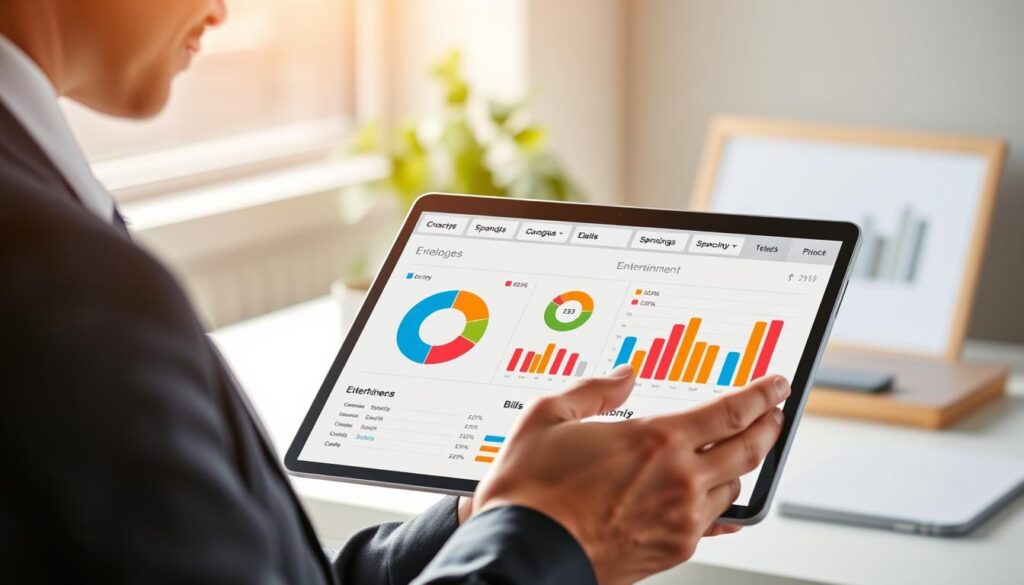
Avoiding these common mistakes strengthens your track expenses routine. It keeps your personal finance management system healthy. Small daily actions prevent big financial problems down the road.
The Long-Term Benefits of Tracking Expenses
Consistent budget tracking sets you up for real financial success. Reliable expense tracker software helps you understand where your money goes. This knowledge becomes the foundation for building a stronger financial future.
Achieving Financial Stability
Your path to financial stability starts with monitoring spending regularly. Tracking every dollar builds a clear picture of your cash flow. This awareness helps you make better choices about your money.
Personal finance management becomes easier when you have real data. You can spot problems before they become big issues. Your budget stays balanced, and your stress about money decreases.
Building Wealth Over Time
Small savings add up fast with financial tracking tools. Every dollar you save can work for you. Over time, these savings grow into real wealth.
Wealth building means making steady progress year after year. Your expense tracker software helps you find money you didn’t know you had. You redirect those funds toward your savings and investment goals.
Enhancing Your Financial Literacy Skills
Tracking your spending teaches you lessons no textbook can match. You learn how inflation affects your budget. Your financial literacy grows with each month you track your money.
This knowledge makes you a better decision maker. You can evaluate financial offers and spot bad deals. You understand interest rates and investment basics.
Your enhanced skills protect you from costly mistakes. Mastering personal finance management is the smartest investment you can make. Your future self will thank you for starting today.